Traditional teahouses carry cultural depth but lack efficiency; modern tea drinks have efficiency and scale but little real tea character; specialty coffee speaks with expertise but has no Eastern flavor. Brucetea connects all three.
Deep in culture, weak in modern efficiency
Strong in efficiency and scale, weak in tea character
Strong in professional expression, missing Eastern flavor
Craft tea + Eastern aesthetics + live experience + everyday light bites
One carries craft, the other carries culture — two product lines upholding a single brand proposition.
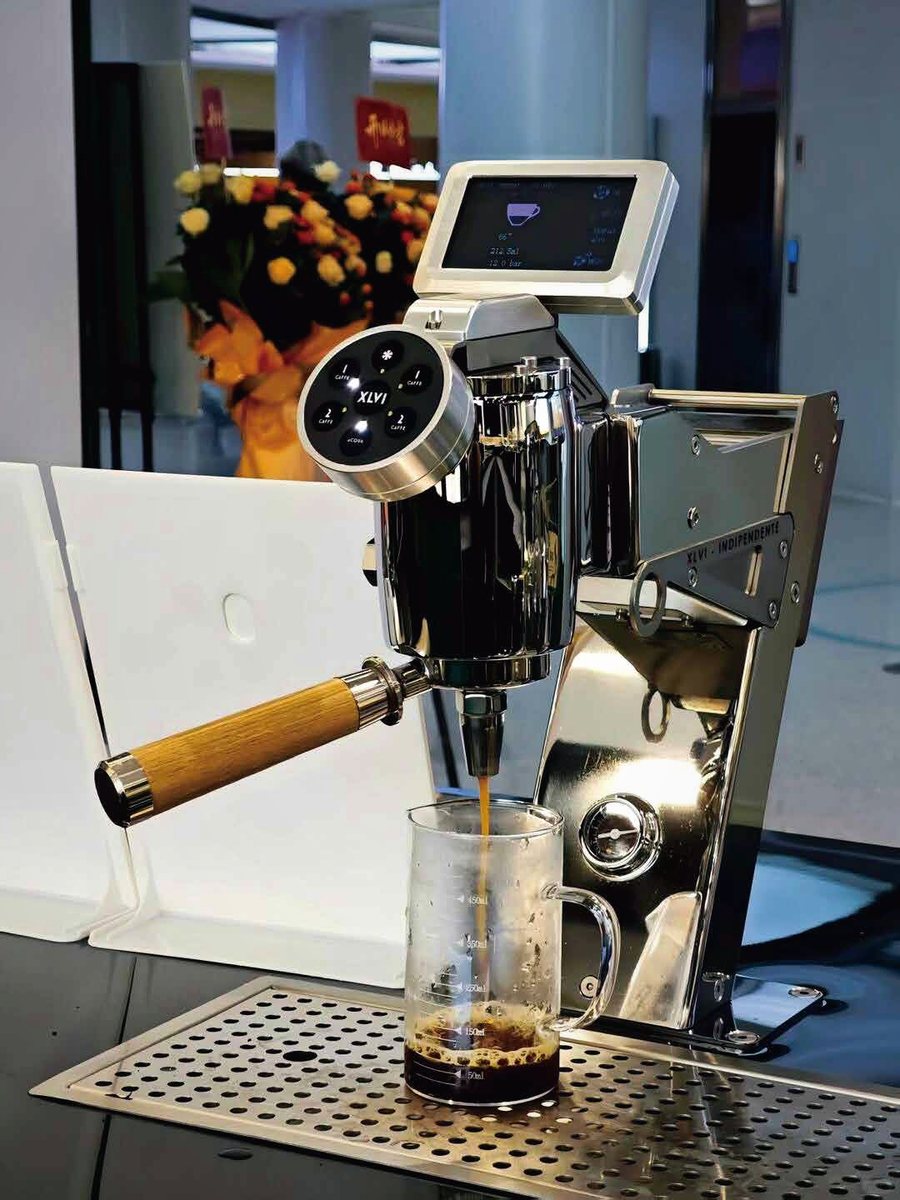
Tea made with the extraction logic of specialty coffee: one shot, one leaf, extracted to order. It turns “freshly extracted” from a line of copy into a craft you can see.
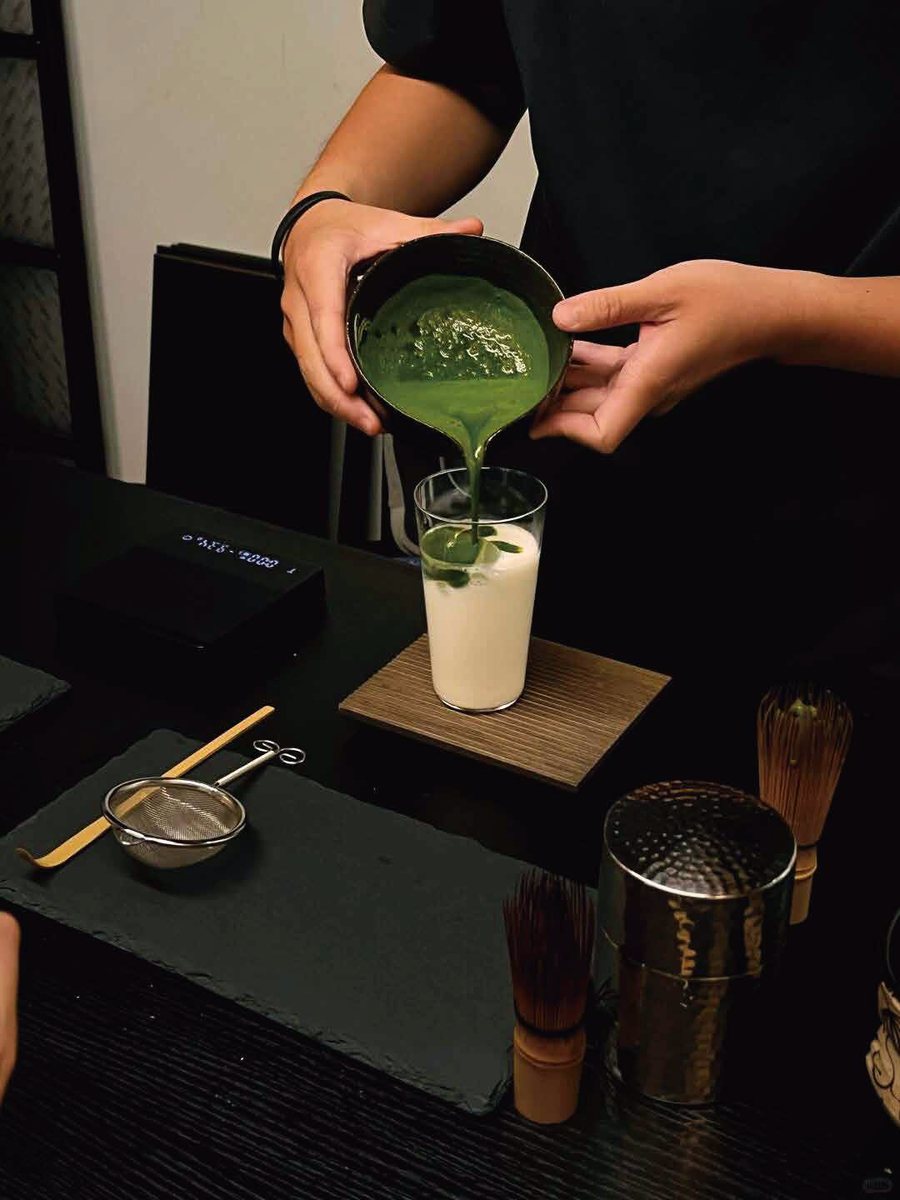
Sifting the powder, pouring the water, whisking with a chasen — the whole process is a ritual. Matcha is visually strong and process-led, and younger guests know it well, so it is naturally made to be seen, photographed and shared.
The freshly extracted tea line names six teas after six titles: the title comes before the tea base. Order a title, and a specific tea arrives in the cup.
The menu spells out what goes into each cup: beyond matcha there is milk, fruit jam, popping boba, agar, brown sugar fen guo and a milk cap. All five sit in an approachable price band.
Milk + matcha milk foam + original Gelato — matcha and ice cream in one cup.
Strawberry jam + popping boba + agar + milk + matcha liquid — five layers in one cup.
Yuzu + matcha liquid — a recipe with just two parts.
Brown sugar fen guo + matcha smoothie + cheese milk foam.
Tea jelly (crisp) + matcha liquid + purple yam milk foam.
Matcha comes in five levels; other flavors include original, classic vanilla, sweet strawberry, sunny mango, Thai milk tea and lychee.
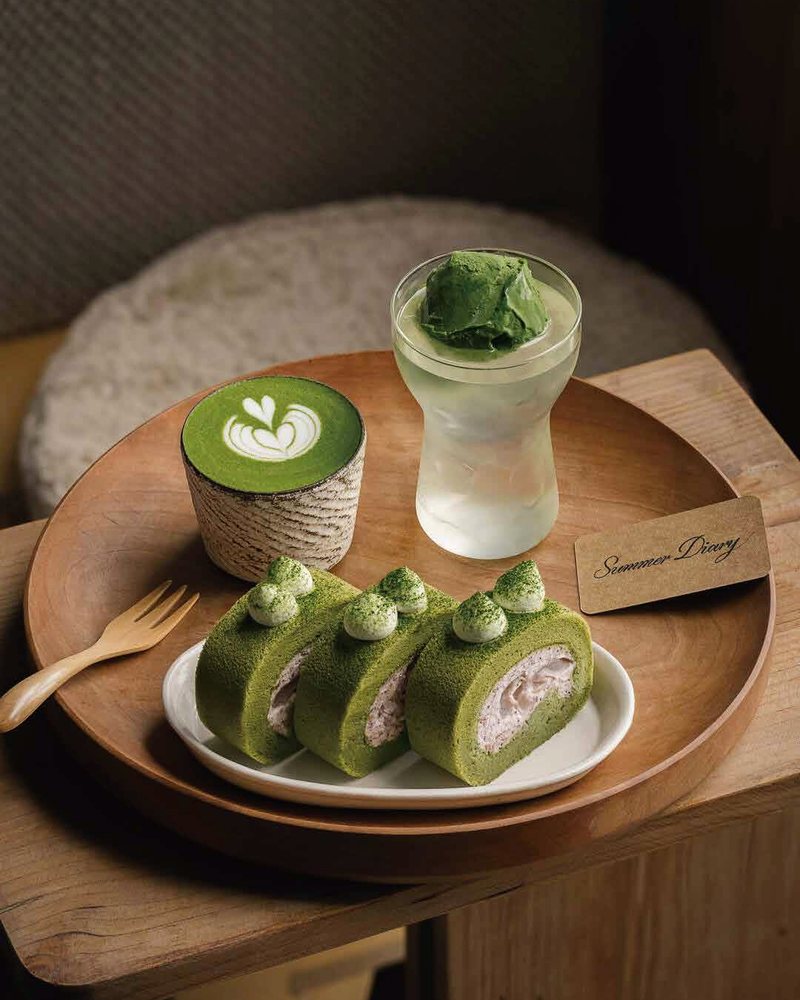
Matcha, purple sweet potato and cranberry — three flavors in a single-serving pastry.
Original, brown sugar agar, brown sugar fen guo, strawberry, lychee, yogurt, mango and passion fruit popping boba — add your own.
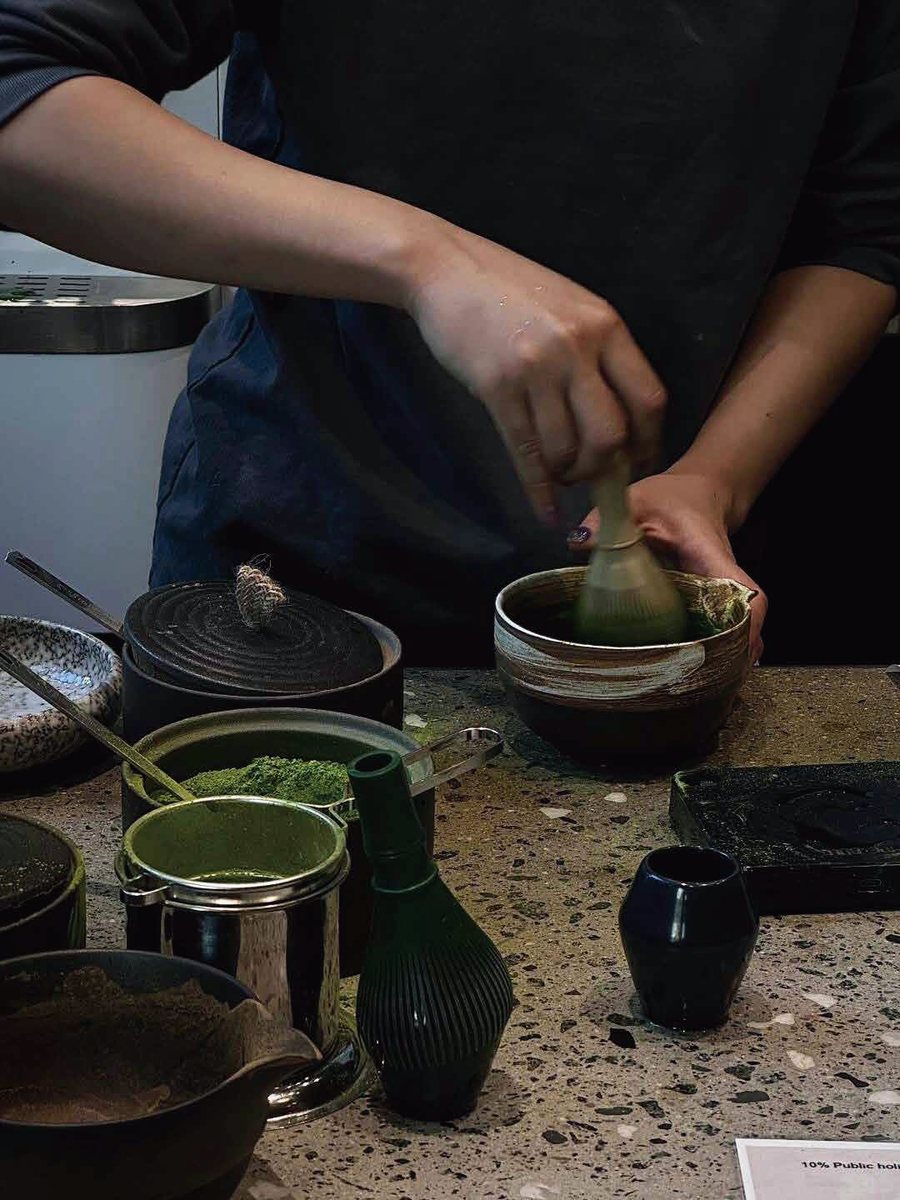
Extraction goes to the machine; hand-whisking goes to the sieve and chasen. Beyond technique, origin, the tea maker and the space are part of the craft.
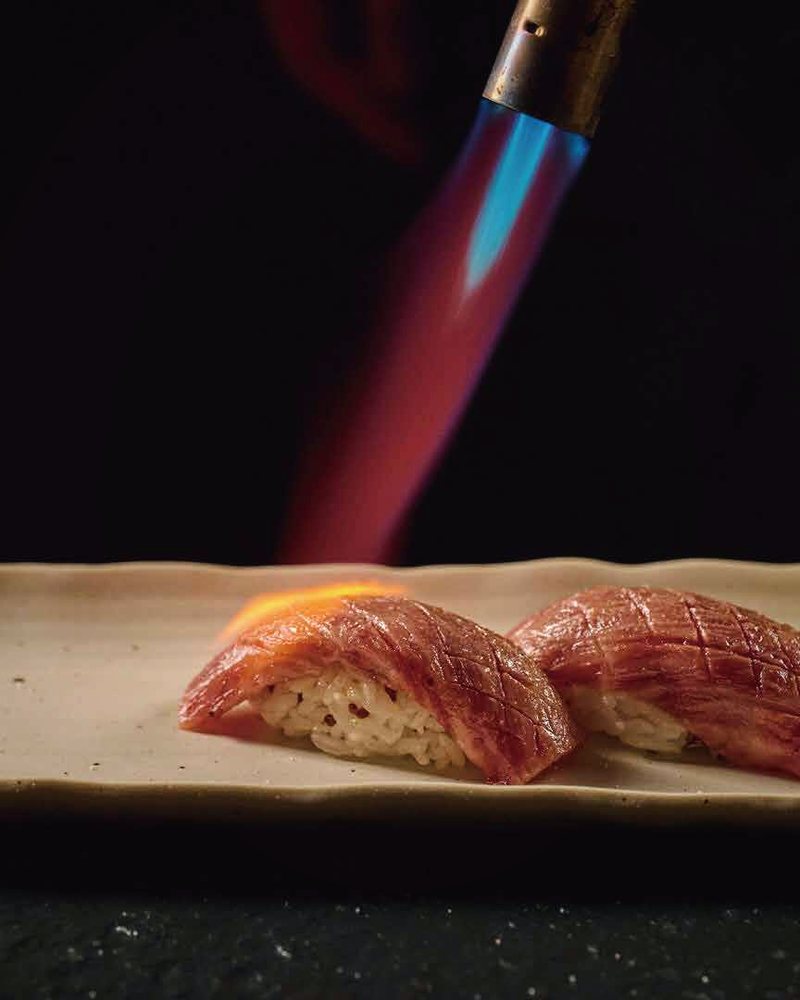
Across four revenue streams, food stretches the day: sushi and fried chicken cover lunch and evening, so the day has more than one afternoon-tea peak.
From “a cup” to “a day” — the product mix supports all-day trading, not just an afternoon tea slot.
Freshly extracted tea and hand-whisked matcha anchor the brand and drive everyday repeat visits.
Gelato and matcha desserts lift the average ticket and are made to be shared.
Sushi, fried chicken from Taiwan, China and other light bites turn “a cup” into “a meal”.
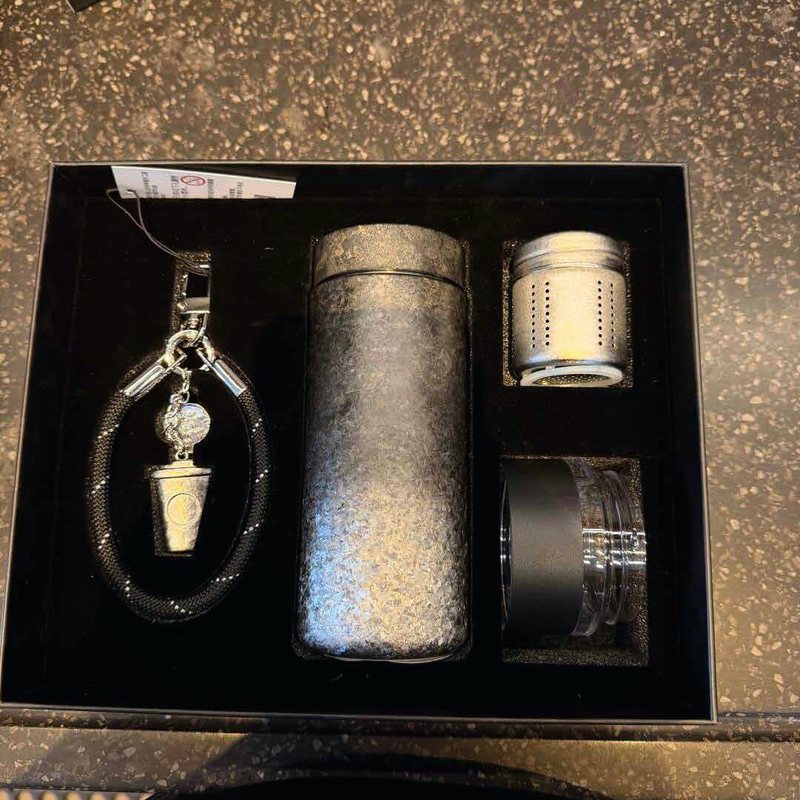
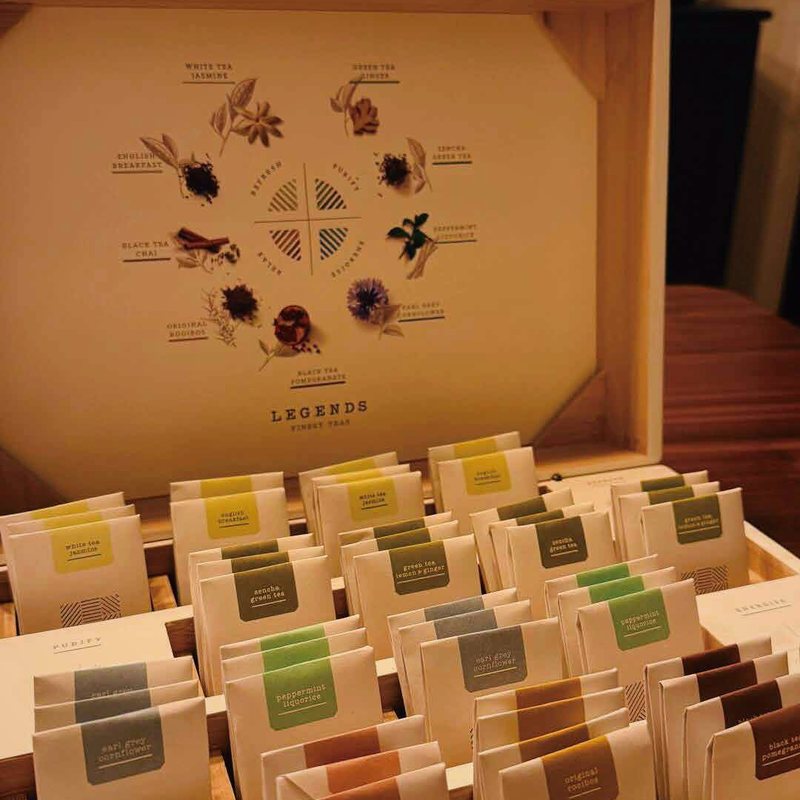
Tea bags, cups, teaware and tea gifts bring the brand into guests’ homes.
No rehashing of Eastern aesthetics,but a voice for real terroir
Tell the truth of the land, not a style of the East
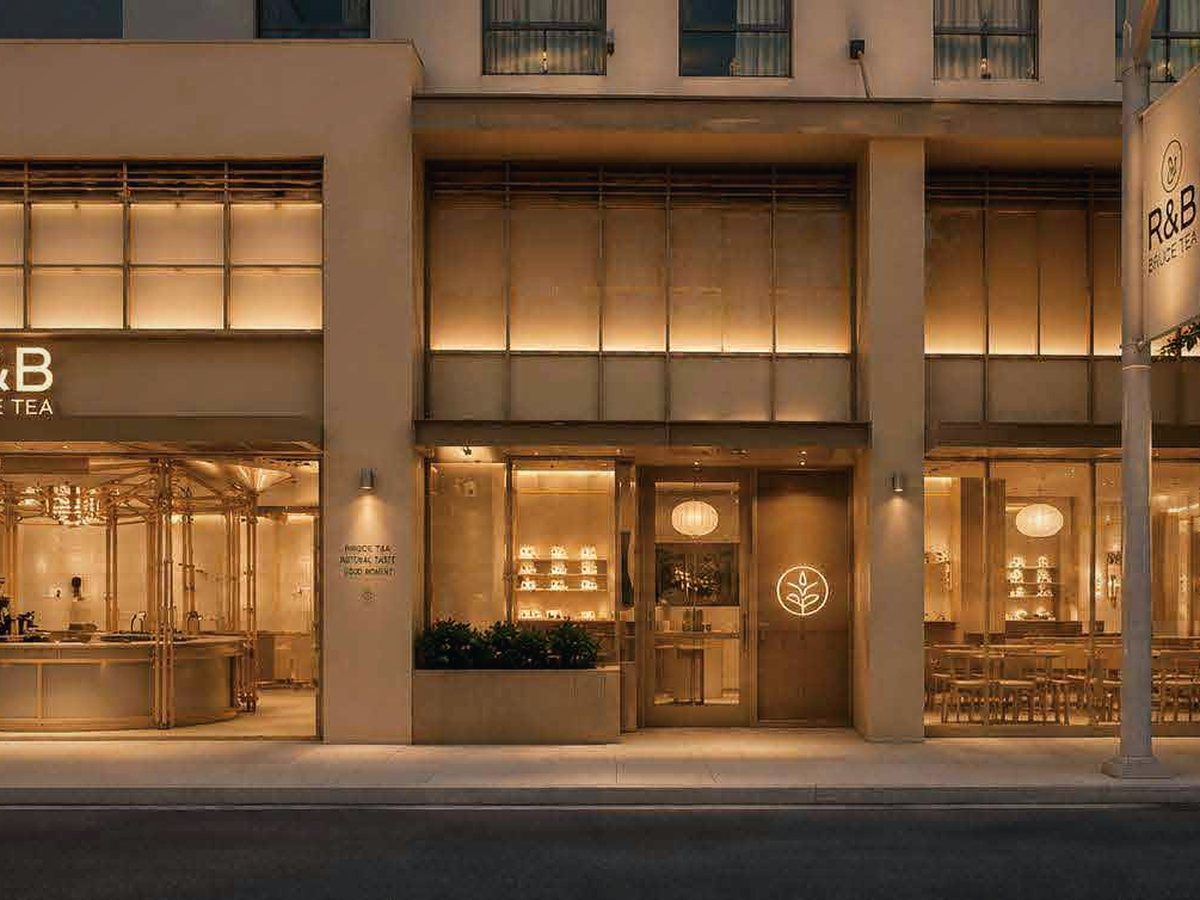
Keep the original fabric rather than fake it. The “replicability paradox” of spatial design is this: under one brand language, each store’s spatial experience is unique. A single window creates focus and keeps people in the room.
Merchandise as brand communication and a second growth curve: extending the taste of a cup of tea into something you can take away.
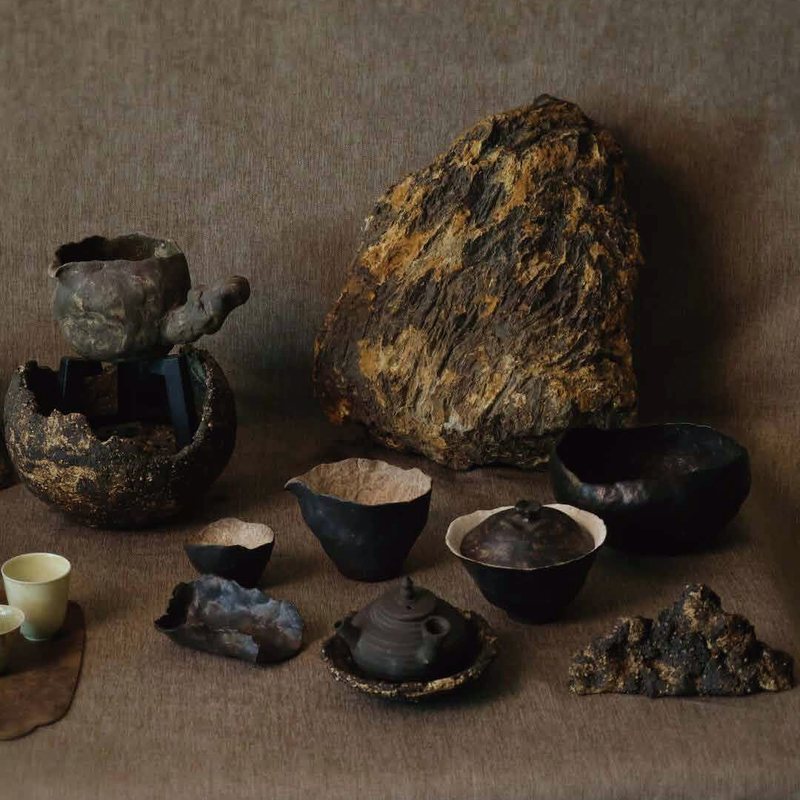
The official accounts avoid brand broadcasting, telling micro-stories about products, origins and people.
Documenting tea gardens, processing rooms and roasting floors so that craft has a source.
Extraction and hand-whisking are content in themselves: what is visible can be trusted.
A founder’s fixation on product sounds more human than advertising.
Open extraction days and small matcha salons turn online interest into reasons to visit.
R&B Brucetea · Select Store
400-8852-686